
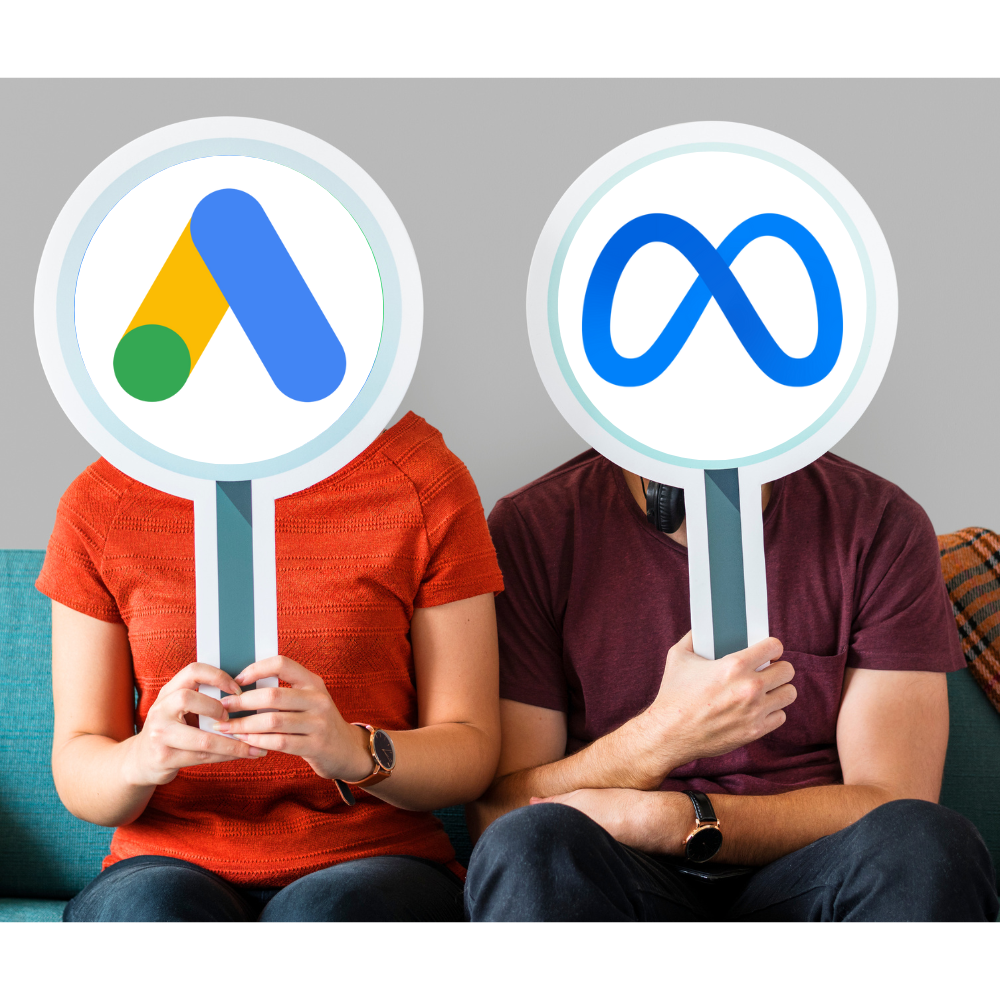
In 2025, digital ad platforms are smarter, faster, and more competitive than ever. But with rising acquisition costs and endless targeting options, businesses constantly ask one question:
Which delivers better ROAS, Google Ads or Meta Ads?
The truth? There’s no universal winner. It depends on your audience, offer, funnel, and how you leverage each platform’s strengths.
In this post, we’ll break down how each platform performs in 2025, where they shine and struggle, and how to decide which one deserves more of your ad spend.
First, a Quick Refresher: What Is ROAS?
ROAS (Return on Ad Spend) measures how much revenue you generate for every dollar spent on advertising.
Example: Spend $1,000 on ads → Generate $4,000 in revenue → ROAS = 4x
But in 2025, it’s not just about that top-line number. Smart marketers also consider:
- Conversion journey (cold, warm, hot)
- Attribution accuracy
- Creative influence
- Backend profitability (LTV, AOV, margins)
Now let’s dive into how Google and Meta stack up.
Meta Ads in 2025: Creative-Driven Discovery
Meta Ads (Facebook + Instagram) remain the king of social discovery. With short-form video, influencer integration, and AI-powered targeting, Meta is the place to spark attention fast.
What’s Working Now:
- Reels + Stories are driving discovery and impulse buys
- Advantage+ Campaigns simplify optimization and scaling
- UGC (User-Generated Content) outperforms traditional brand ads
- CAPI (Conversion API) improves tracking despite iOS restrictions
Meta excels at bringing new users into your funnel, especially when your product is visual, emotionally driven, or social in nature.
But Meta is also sensitive to creative fatigue. Ads burn out faster, which means you need a constant supply of fresh visuals, strong hooks, and platform-native content.
Meta is your go-to when you need attention, engagement, and top-of-funnel traffic that converts over time.
Google Ads in 2025: Intent and Data Precision
Google Ads has evolved into a full-funnel giant. Between Performance Max, YouTube, Shopping, and Search you can now run one campaign that touches every part of the user journey.
What’s Working Now:
- Performance Max campaigns deliver across Search, Display, YouTube, and Gmail, all from one asset bank
- Search + Shopping dominate when targeting high-intent buyers
- YouTube Ads work well for mid-to-bottom funnel remarketing
- GA4 and CRM integrations make attribution sharper than ever
Google thrives when someone is actively looking for a solution or comparing options. It’s less about emotional pull and more about timing and relevance.
If your site is built for conversions, your offer is clear, and your funnel is dialed in Google will bring qualified traffic that’s ready to take action.
Google is your powerhouse for capturing demand and closing sales.
ROAS in 2025: Who Wins?
Instead of comparing numbers side by side, let’s simplify:
- Meta delivers higher ROAS when:
- You have strong creative and fast testing cycles
- You’re launching new products or scaling DTC brands
- Your funnel includes retargeting and email nurturing
- Google delivers higher ROAS when:
- Your audience is already searching for solutions
- You have tight tracking + a high-converting website
- You’re running lead gen or service-based funnels
So, Which Should You Use?
Use Meta Ads if:
- You want fast reach, visibility, and social proof
- Your product performs well with video or influencer content
- You’re nurturing leads through email, retargeting, or webinars
Use Google Ads if:
- You want to target people with clear intent to buy
- You need precise attribution and scalable campaigns
- You sell high-ticket services, B2B offers, or localized services
The Real Winning Strategy: Use Both
In 2025, the best-performing campaigns don’t choose between Meta and Google, they use both together.
Example Full-Funnel Blend:
- Top of Funnel: Meta Ads (Reels, Stories, UGC)
- Middle of Funnel: Google Display + YouTube for education/retargeting
- Bottom of Funnel: Google Search to capture purchase-ready users
- Retention: Meta Retargeting + Email + SMS
This combo builds awareness, nurtures interest, and closes sales, all while improving ROAS across the board.
Final Thoughts
The question isn’t “Which platform is better?”
It’s “How can I use each platform to do what it does best?”
In 2025, Meta and Google are more powerful than ever but only when used with a smart, full-funnel approach tailored to your brand.


