
Creative used to be instinct-driven.
A good idea.
A strong visual.
A clever line.
In 2026, that’s no longer enough.
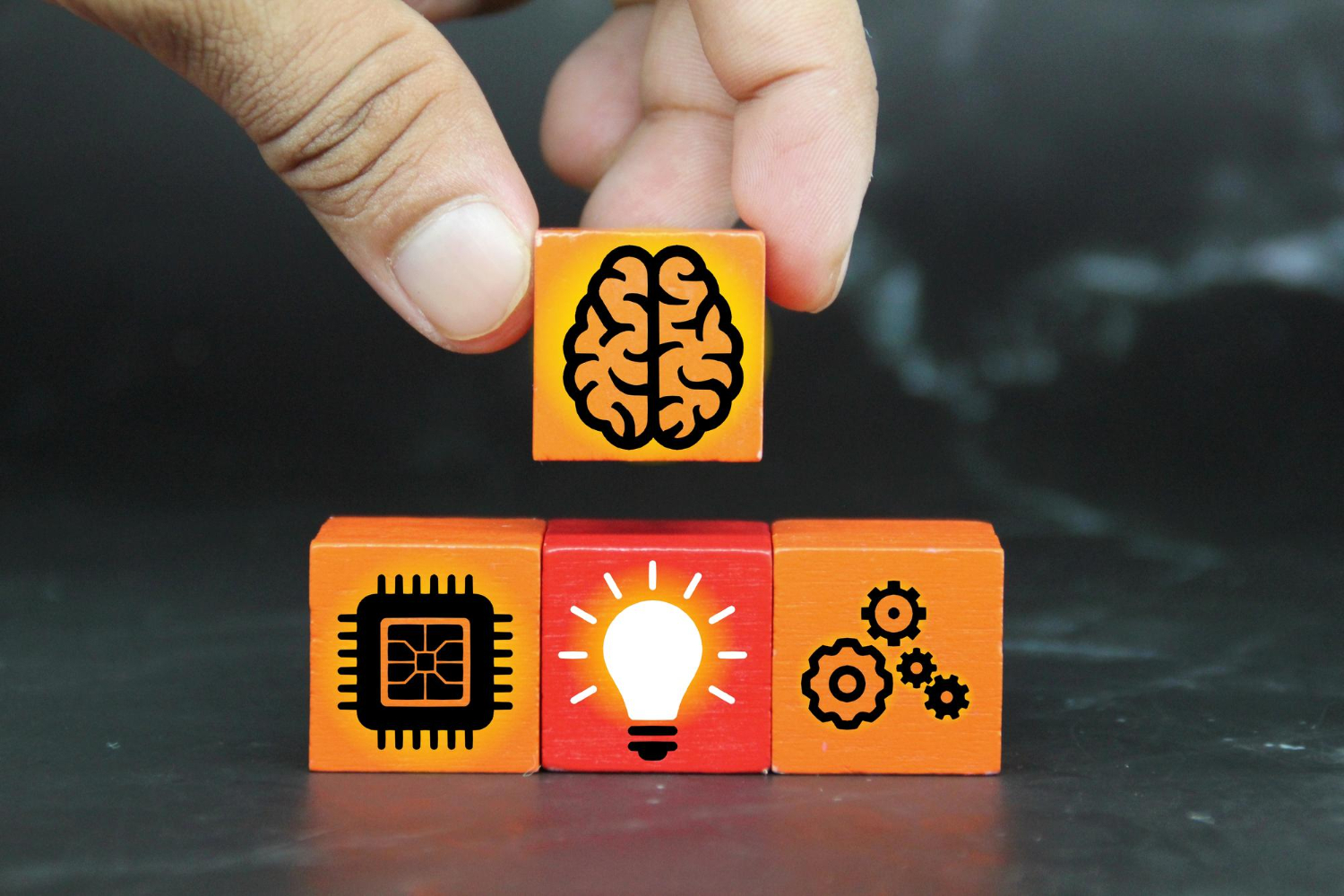
Today’s best-performing brands aren’t relying on “creative gut feeling.” They’re building Creative Intelligence Stacks — systems where tools don’t just design content, but think, test, learn, and scale it.
This is where creativity meets intelligence.
1. Creativity Is No Longer Static, It’s Adaptive
Traditional creative workflows end when the ad goes live.
Modern creative workflows begin there.
The Creative Intelligence Stack turns content into a living system that:
- Learns from performance
- Evolves based on audience behavior
- Improves with every iteration
Creatives aren’t just produced, they’re optimized in real time.
2. What Is a Creative Intelligence Stack?
A Creative Intelligence Stack is a combination of tools that handle:
- Ideation
- Production
- Testing
- Optimization
- Scaling
All connected by data.
Instead of isolated tools, brands use integrated systems that continuously improve creative outcomes.
3. Layer 1: Thinking Tools (Ideation & Insight)
These tools don’t just generate content, they generate direction.
They analyze:
- Audience behavior
- Platform trends
- Search intent
- Past performance data
Used for:
- Hook ideation
- Angle discovery
- Content frameworks
- Messaging experimentation
This is where creativity gets smarter before execution begins.
4. Layer 2: Creation Tools (Speed & Volume)
Speed is a competitive advantage.
Creation tools in the stack enable:
- Rapid asset production
- Multi-format outputs
- Modular creative systems
One idea becomes:
- Reels
- Carousels
- Static ads
- Short-form videos
- Variations for A/B testing
The goal isn’t perfection — it’s velocity with consistency.
5. Layer 3: Testing Engines (Truth Over Opinion)
This is where creativity meets reality.
Testing tools track:
- Hook performance
- Scroll-stop rate
- Watch time
- Click behavior
- Conversion lift
Instead of asking:
“Do we like this creative?”
The stack answers:
“What does the audience respond to?”
Creative decisions become data-backed, not debate-driven.
6. Layer 4: Optimization Systems (Learning Loops)
High-performing creatives don’t stay static.
Optimization tools:
- Kill underperforming variations early
- Double down on winning hooks
- Refresh visuals without resetting learnings
- Extend creative lifespan
This creates a content-performance loop where every asset improves the next one.
7. Layer 5: Scaling Engines (From Wins to Systems)
Winning once isn’t hard.
Winning repeatedly is.
Scaling tools help brands:
- Repurpose top creatives across platforms
- Localize messaging without redoing work
- Expand reach without creative burnout
This is how small teams produce output that rivals large agencies.
8. Why the Creative Intelligence Stack Wins in 2026
Because the market demands:
- Faster production
- Smarter decisions
- Lower acquisition costs
- Higher creative efficiency
Algorithms reward:
- Freshness
- Relevance
- Iteration
- Consistency
The stack aligns creativity with how platforms actually work.
9. What Happens to Brands Without a Stack?
They:
- Over-invest in one-off creatives
- Scale ads too early
- Burn budgets testing blindly
- Confuse volume with strategy
Without intelligence, creative becomes expensive noise.
Final Thought: Creativity Isn’t Replaced, It’s Upgraded
The Creative Intelligence Stack doesn’t remove human creativity.
It amplifies it.
Humans still:
- Set direction
- Define brand voice
- Tell stories
- Make strategic calls
Tools handle:
- Speed
- Scale
- Testing
- Optimization
In 2026, the brands that win won’t just have great ideas.
They’ll have systems that make great ideas inevitable.


