
Why Most Brands Struggle to Scale
Many brands rely heavily on campaigns.
They launch:
- Seasonal promotions
- Viral content pushes
- Paid advertising campaigns
- Product launches
For a short time, results look promising.
Traffic increases.
Sales improve.
Engagement spikes.
But once the campaign ends, growth slows down again.
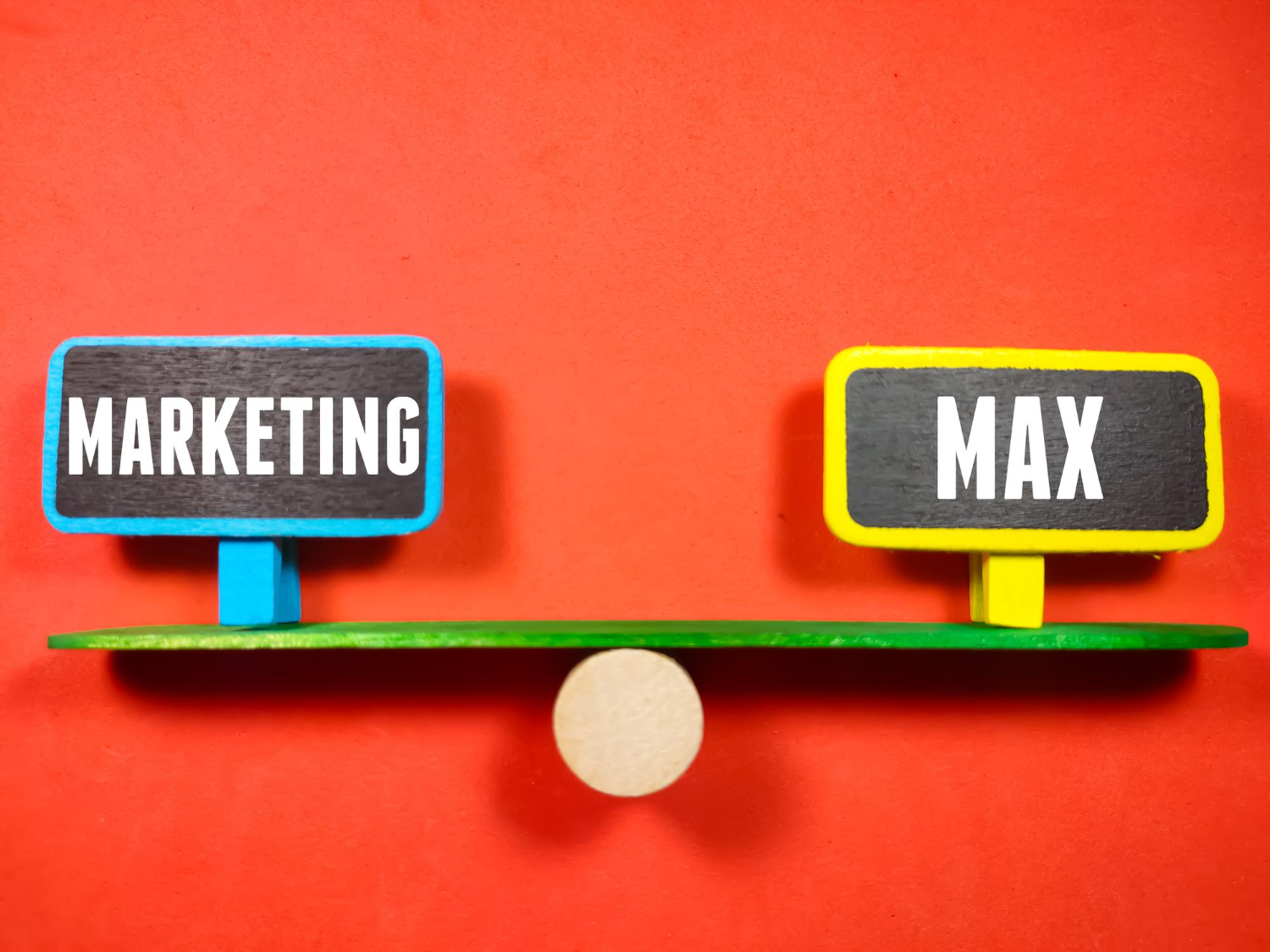
This is the biggest difference between marketing campaigns vs marketing systems.
Campaigns create temporary momentum.
Systems create sustainable growth.
Brands that scale successfully understand that long-term growth does not come from isolated wins — it comes from building repeatable systems.
What Are Marketing Campaigns?
Marketing campaigns are short-term initiatives designed to achieve a specific goal.
Examples include:
- Product launches
- Holiday promotions
- Influencer collaborations
- Paid ad pushes
Campaigns are useful for:
- Driving attention
- Increasing short-term sales
- Creating momentum
But campaigns alone rarely create predictable long-term growth.
What Are Marketing Systems?
Marketing systems are structured processes that continuously generate:
- Leads
- Engagement
- Conversions
- Customer retention
A strong marketing system works consistently over time, even when no major campaign is running.
Examples include:
- Content marketing systems
- Email nurturing flows
- SEO-driven traffic systems
- Customer retention systems
- Automated lead generation funnels
Understanding marketing campaigns vs marketing systems is critical for businesses that want scalable growth.
The Problem With Relying Only on Campaigns
1. Campaign Results Are Temporary
Campaigns often create:
- Short spikes in traffic
- Temporary revenue increases
- Short-term engagement
But once the campaign stops, performance drops.
This creates unstable growth patterns.
2. Campaigns Require Constant Effort
Without systems, brands must continuously:
- Launch new campaigns
- Produce fresh ideas
- Increase ad spend
This becomes difficult to sustain long term.
3. Campaigns Don’t Build Predictability
A business cannot scale effectively if growth depends only on occasional wins.
Systems create:
- Consistency
- Repeatability
- Predictable performance
4. Campaign-Only Strategies Increase Costs
Constantly chasing new attention often leads to:
- Higher acquisition costs
- Creative fatigue
- Decreasing ROI
Systems improve efficiency over time.
Why Systems Are the Real Growth Engine
1. Systems Create Consistent Lead Flow
Instead of relying on short bursts of attention, systems continuously attract:
- Traffic
- Leads
- Customers
This creates more stable growth.
2. Systems Improve Efficiency
Well-built systems reduce the need for constant manual effort.
They streamline:
- Content distribution
- Lead nurturing
- Customer communication
3. Systems Build Long-Term Brand Value
Campaigns generate visibility.
Systems build:
- Authority
- Trust
- Customer loyalty
This creates stronger long-term positioning.
4. Systems Scale More Easily
A repeatable process is easier to optimize and grow.
This is why scalable brands prioritize systems over one-time tactics.
Marketing Campaigns vs Marketing Systems: Key Differences
| Marketing Campaigns | Marketing Systems |
|---|---|
| Short-term focus | Long-term focus |
| Temporary results | Sustainable growth |
| Requires constant relaunching | Operates continuously |
| Often reactive | Strategic and structured |
| Generates spikes | Creates consistency |
Understanding marketing campaigns vs marketing systems helps brands shift from short-term thinking to scalable growth.
Examples of High-Performing Marketing Systems
1. Content Marketing Systems
Publishing strategic content consistently improves:
- Organic traffic
- Brand authority
- Audience trust
This creates compounding growth over time.
2. Email Marketing Systems
Automated email sequences nurture leads and improve customer retention without constant manual work.
3. SEO Systems
Strong SEO systems generate long-term visibility through:
- Search traffic
- AI search discoverability
- Topical authority
Unlike paid campaigns, SEO compounds over time.
4. Paid Advertising Systems
Instead of random ads, scalable brands build:
- Structured funnels
- Creative testing systems
- Retargeting strategies
This improves long-term ad performance.
5. Customer Retention Systems
Retention systems increase:
- Repeat purchases
- Customer lifetime value
- Brand loyalty
Growth becomes more profitable when retention improves.
How to Move From Campaign Thinking to System Thinking
1. Focus on Repeatability
Ask:
- Can this process work consistently over time?
Scalable systems are repeatable.
2. Build Long-Term Assets
Invest in:
- SEO content
- Email lists
- Brand positioning
- Audience trust
These assets continue generating value over time.
3. Create Full-Funnel Systems
Your marketing should support:
- Awareness
- Trust-building
- Conversion
- Retention
Not just short-term sales.
4. Use Campaigns to Support Systems
Campaigns are still valuable.
But they should strengthen your systems, not replace them.
5. Optimize Continuously
Systems improve through:
- Testing
- Refinement
- Data analysis
Small improvements compound over time.
Common Mistakes Brands Make
- Relying entirely on paid campaigns
- Chasing short-term growth spikes
- Ignoring customer retention
- Creating content without strategy
- Failing to build repeatable processes
Why Systems Matter More in 2026
As competition increases:
- Attention becomes more expensive
- Ad costs rise
- Organic reach becomes harder
Brands that rely only on campaigns struggle to sustain growth.
Systems create:
- Stability
- Efficiency
- Scalability
This is why understanding marketing campaigns vs marketing systems is more important than ever.
What High-Growth Brands Do Differently
Successful brands:
- Build long-term systems
- Use campaigns strategically
- Invest in customer relationships
- Focus on sustainable growth
- Prioritize consistency over hype
This creates stronger long-term business performance.
FAQs
What is the difference between marketing campaigns vs marketing systems?
Marketing campaigns are short-term efforts focused on specific goals, while marketing systems are ongoing processes designed for sustainable growth.
Why are systems more scalable than campaigns?
Systems create predictable and repeatable growth, while campaigns usually generate temporary results.
Are campaigns still important?
Yes. Campaigns are useful for creating momentum, but they work best when supported by strong systems.
What are examples of marketing systems?
Examples include SEO systems, email marketing systems, lead generation funnels, and customer retention systems.
Final Thoughts
Campaigns can create attention.
But systems create businesses that scale.
The brands that grow consistently are not the ones constantly chasing short-term spikes.
They are the ones building repeatable systems that compound over time.
Because sustainable growth is not built on isolated wins.
It is built on structure, consistency, and long-term strategy.
About The Big Eye Media
At The Big Eye Media, we help brands move beyond one-time campaigns by building scalable marketing systems designed for long-term visibility, lead generation, and sustainable business growth.


