Every brand wants ads that convert, but the difference between a good creative and a great performer often comes down to one thing: testing.
In a world where attention spans are shrinking and algorithms are shifting faster than ever, creative testing isn’t optional, it’s the secret weapon behind the most profitable ad accounts.
Let’s break down how you can build a creative testing framework that not only finds your winners faster but also helps you scale smarter.
What Is Creative Testing (and Why It Matters)
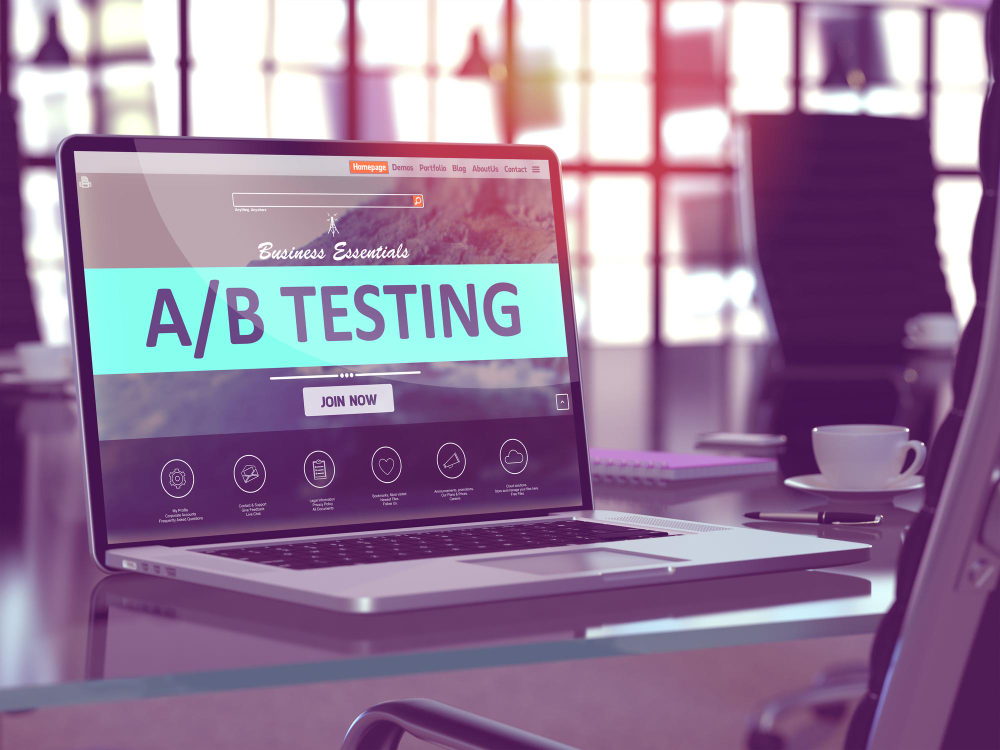
Creative testing is the process of running controlled experiments across different ad variations to identify what drives the best performance, clicks, conversions, engagement, or ROAS.
It’s not about guessing what might work. It’s about proving it with data.
Better creatives = better conversion rates
Faster learning = lower ad costs
Data-backed decisions = predictable growth
The Big Problem: Most Brands Test Wrong
Here’s where most advertisers go wrong:
- They test too many variables at once (headline, image, CTA, format… all in one ad).
- They don’t isolate creative impact from targeting or audience.
- They scale based on short-term wins, not statistical confidence.
That’s like testing new ingredients in a recipe and changing the oven temperature at the same time — you’ll never know what worked.
The Winning Approach: Structured Creative Testing Frameworks
A solid framework lets you test methodically, uncovering what really influences performance.
Here’s a proven structure used by top-performing performance marketers
Phase 1: Concept Testing (The Big Ideas)
Goal: Identify which storyline or angle resonates with your audience.
You might test:
- Emotional angle vs. logical benefit
- Problem-focused vs. aspiration-driven narrative
- Testimonial-led vs. product-demo video
Example:
A skincare brand tests:
- “Confidence through clear skin”
- “Dermatologist-approved results”
- “Natural ingredients that work”
Each ad uses similar visuals but a different core message.
Once you find the top-performing concept, move to Phase 2.
Phase 2: Format & Visual Testing
Goal: Discover which ad type or visual treatment drives more engagement.
Test things like:
- Static vs. motion graphics vs. UGC-style video
- Text-on-video vs. clean visuals
- Long-form explainer vs. 6-sec short punchy cut
Example:
Your “confidence” storyline wins.
Now test:
- A cinematic ad
- A creator testimonial
- A trending audio short
The data will reveal how your audience prefers to consume that message.
Phase 3: Element Testing (Micro Optimization)
Goal: Refine the details that boost CTR and CVR.
Here, test individual creative elements:
- Headlines
- Hooks (first 3 seconds)
- CTA wording
- Color schemes or product placement
Example:
Compare:
“Get flawless skin fast” vs. “Clear skin starts today.”
or
“Shop now” vs. “See how it works.”
Small changes can drive massive performance lifts when stacked over time.
Phase 4: Iteration & Scaling
Once your creative winners emerge, don’t stop, iterate on them.
Make “micro-variations”:
- Same concept, different angle
- Same format, new product focus
- Same ad, localized for region or audience segment
Then retest.
The more data you collect, the smarter your creative library becomes — and the faster you can launch high-converting content on demand.
Data That Matters (Stop Measuring Vanity Metrics)
Too many brands get stuck chasing likes and shares.
But creative testing success is measured by performance KPIs, not applause.
Key metrics to track:
- CTR (Click-Through Rate): Tells you if your creative captures attention.
- CVR (Conversion Rate): Shows if your message drives action.
- ROAS (Return on Ad Spend): Determines profitability.
- Hold Rate / Watch Time: For video creatives, it’s your “interest score.”
Remember: Your best-performing ad isn’t always your best-looking one.
AI & Automation in Creative Testing (The 2025 Advantage)
AI tools are transforming how marketers approach creative testing.
You can now use:
- AI-driven creative analysis to predict engagement before launch.
- Dynamic creative optimization (DCO) to automatically swap visuals, copy, or CTAs mid-campaign.
- Predictive analytics to identify fatigue and trigger new variations.
Think of it as data science meets storytelling.
The Creative Testing Mindset
Winning brands treat creative testing as a continuous feedback loop, not a one-time task.
Always be testing new concepts
Always be learning from the data
Always be iterating faster than your competitors
The brands that dominate performance marketing don’t rely on luck — they rely on frameworks.
Real-World Impact: 10X Conversions Through Smart Testing
Brands that adopt structured creative testing see:
- 3–5x faster learning cycles
- 30–60% lower cost per acquisition (CPA)
- 5–10x improvement in conversion rates
Because when your creative is scientifically optimized, every dollar you spend performs harder.
Final Takeaway
“Creative testing isn’t about finding a single winning ad, it’s about building a system that keeps finding winners.”
In 2025’s competitive ad landscape, your creative strategy can’t rely on guesswork.
You need structure, speed, and data-led decisions.
At The Big Eye Media, we help brands engineer creative frameworks that blend storytelling, performance, and analytics, delivering content that not only looks good but converts.
Want to scale your ad performance?
Let’s build your creative testing ecosystem, from ideation to iteration.
Contact The Big Eye Media and start turning insights into impact.


