
Ranking #1 on Google used to be the finish line. Now it’s the starting point.
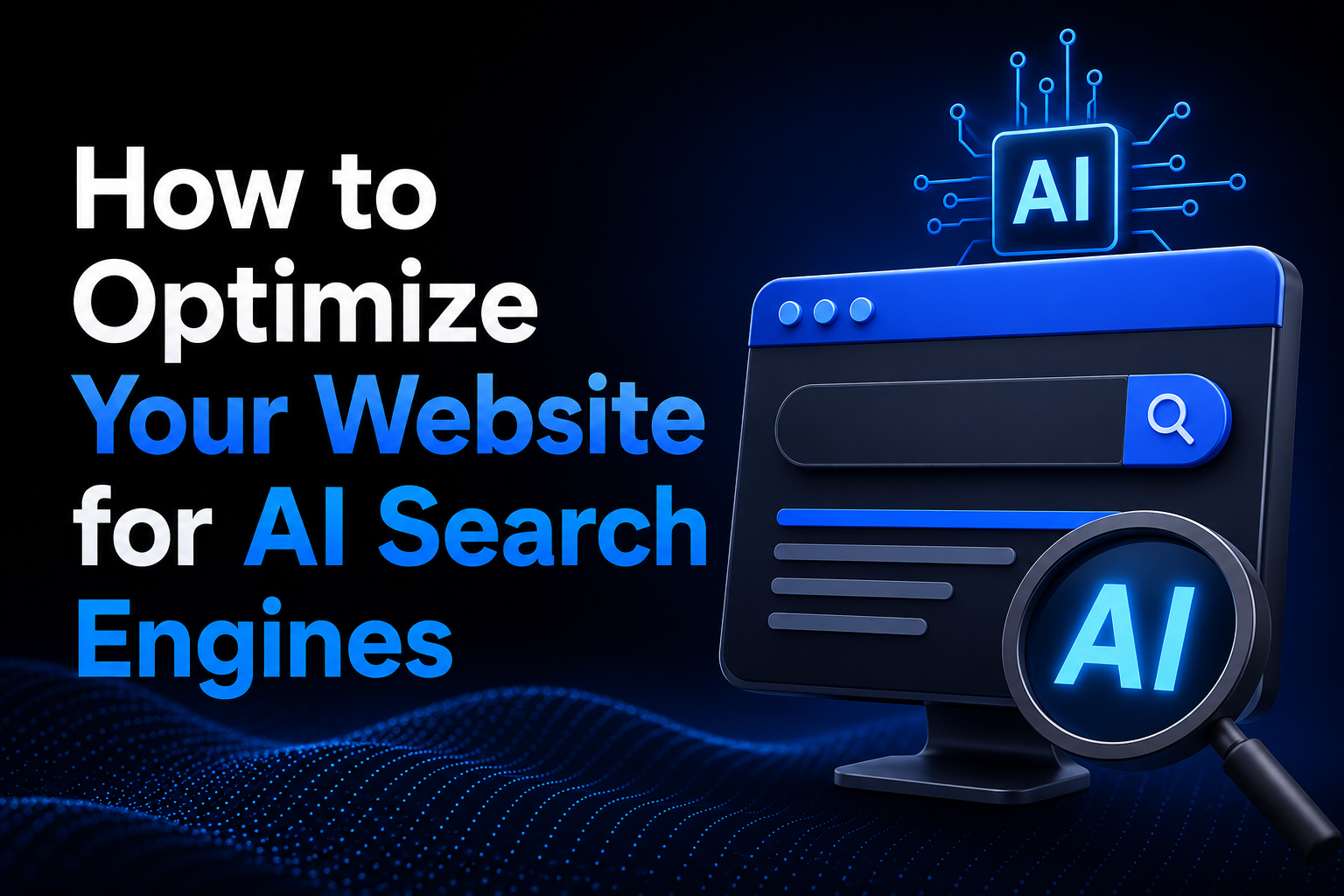
AI tools like ChatGPT, Perplexity, and Google’s AI Overviews are answering questions directly — often without sending a single click back to your site. Being ranked isn’t enough anymore. You need to be cited.
Here’s how to actually optimize for that.
Traditional SEO vs. AI Search Optimization
| Traditional SEO | AI Search (GEO) |
|---|---|
| Optimizes for clicks | Optimizes for citations |
| Targets keywords | Targets questions and context |
| Ranks pages | Ranks authority and clarity |
| Backlinks matter most | Consistency across sources matters most |
Same goal, visibility. Different game entirely.
1. Structure Content the Way AI Reads It
AI systems don’t “read” a page top to bottom the way a human does. They extract.
That means:
- Clear H2/H3 headers around real questions
- Bullet points and short paragraphs, not walls of text
- FAQ sections with direct, one-sentence answers
- Summaries at the top, not buried in paragraph five
Pro Tip: Add a 2-3 sentence direct answer immediately after every H2. AI tools disproportionately pull from the first clear answer on a page.
2. Write for the Question, Not the Keyword
Old approach: stuff “digital marketing agency Indore” into a page as many times as possible.
New approach: write the actual sentence someone would ask an AI assistant, “Who’s a good digital marketing agency in Indore for a small business?”, and answer it directly and specifically.
Specificity wins. Vague, generic answers rarely get cited, because AI models are trained to prefer clear, confident, well-supported claims.
3. Build Authority Across Multiple Platforms, Not Just Your Site
AI tools cross-reference. If your brand only exists on your own website, you look isolated — and isolated sources get trusted less.
Show up on:
- Industry publications and guest posts
- Review platforms (Google, Clutch, industry-specific directories)
- Social platforms and community discussions (Reddit, LinkedIn, Quora)
- Podcasts, interviews, and press mentions
The more places a fact about your brand appears consistently, the more an AI model treats it as verified.
4. Keep Old Content Alive
A three-year-old blog post with outdated stats isn’t just stale, it can actively work against you if it contradicts more recent, more current information elsewhere.
Audit and refresh old content regularly:
- Update stats and examples
- Rewrite thin sections into fuller, clearer answers
- Add FAQs based on what people are actually asking now
5. Track New Metrics
Stop measuring success purely by rankings and organic clicks. Start tracking:
- Share of voice in AI answers, are you mentioned when someone asks a relevant question?
- Referral traffic from AI platforms, check your analytics for traffic sources like chatgpt.com or perplexity.ai
- Brand recall, are people searching your brand name directly after encountering it in an AI answer?
Why It Matters
This isn’t a replacement for SEO, it’s an evolution of it. The brands that win the next few years of search won’t be the ones chasing rankings. They’ll be the ones structured clearly enough, and trusted consistently enough, to be the answer an AI system reaches for first.
About Big Eye Digital and Media
Big Eye Digital and Media is an Indore-based digital marketing agency blending SEO, content strategy, and AI-driven planning to keep clients visible as search itself changes. With 6+ years of experience across 600+ projects and 35+ industries, the team helps brands stay structured, consistent, and citable, not just ranked.
Not sure if your site is AI-search ready? Get in touch or book a free consultation.


