
The marketing landscape is experiencing a seismic shift. Traditional ads are being replaced—or at least complemented—by a more authentic, engaging form of promotion: creator-led content. This transformation is driven by the creator economy, a booming digital ecosystem built around content creators who are influencing consumer behavior and reshaping the way brands interact with audiences.
In 2025, the creator economy is no longer just a buzzword—it’s a $250 billion+ industry that continues to expand, fueled by social platforms, micro-entrepreneurs, and the ever-evolving attention economy. For brands, this boom presents a massive opportunity—but only if they know how to collaborate effectively.
What is the Creator Economy?
The creator economy refers to the growing ecosystem of independent content creators, influencers, bloggers, YouTubers, TikTokers, streamers, podcasters, and digital artists who monetize their skills, audiences, and creativity. They produce content not just for fun but for income and influence—through brand partnerships, subscriptions, merchandise, memberships, and more.
With tools like Patreon, Substack, YouTube, Instagram, TikTok, and Twitch, creators have direct access to global audiences. Unlike traditional media, where distribution was centralized, the creator economy is decentralized, democratized, and personality-driven.
Why is the Creator Economy Booming?
- Trust Over Traditional Advertising
Consumers today trust creators more than they trust brands. 92% of consumers say they trust a creator’s recommendation more than a traditional ad. - Community-Driven Content
Creators build loyal communities based on shared values and niches—making it easier for brands to target hyper-specific audiences. - Low Barrier to Entry
Almost anyone with a smartphone and an internet connection can become a creator. Platforms reward creativity over budget. - Monetization Tools Are Everywhere
From Instagram’s Creator Marketplace to TikTok’s Creator Fund and YouTube’s AdSense, creators can monetize their presence without needing a massive following. - Short-Form Video is King
TikTok, Instagram Reels, and YouTube Shorts have made snackable content a preferred format, and creators are leading the charge.
Challenges Brands Face in the Creator Economy
Despite the opportunities, brands often struggle with creator partnerships. Common pitfalls include:
- Choosing creators based on follower count instead of engagement or niche relevance.
- Lack of clarity in communication, leading to misaligned content.
- Over-controlling the creative process, which limits authenticity.
- Short-term campaigns that miss the chance to build meaningful relationships.
How Brands Can Collaborate More Effectively with Creators
To tap into the power of the creator economy, brands need to shift from transactional relationships to collaborative partnerships. Here’s how:
1. Focus on Fit, Not Just Followers
Look beyond vanity metrics. A creator with 10K highly engaged followers in a niche is often more valuable than one with 1 million disinterested followers. Assess:
- Niche relevance
- Audience demographics
- Engagement rate
- Past collaborations
Use tools like Upfluence, Aspire, or Influencity to identify the right matches.
2. Give Creative Freedom
Creators know their audience best. Instead of rigid brand scripts, provide them with a clear brief, key message points, and brand guidelines—then let them do their magic. Authenticity wins.
3. Co-Create Campaigns
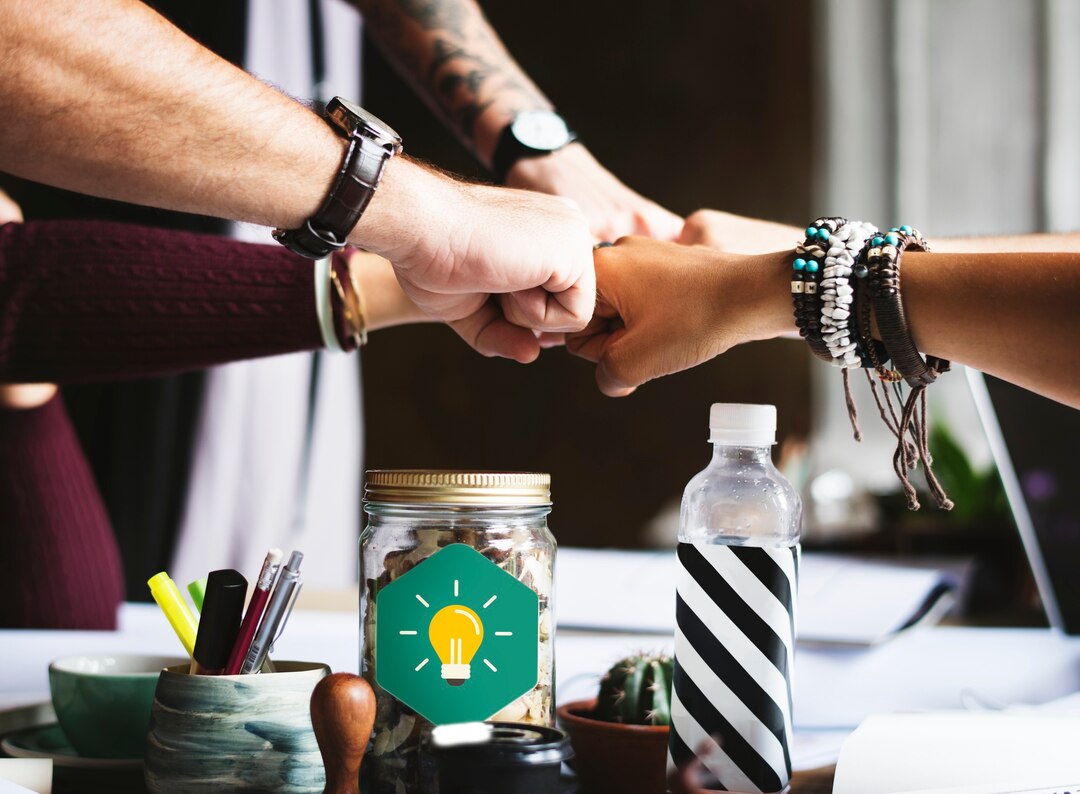
Treat creators as creative partners, not just media channels. Involve them in brainstorming, product development, event planning, or long-form storytelling.
Example: A skincare brand could work with a beauty influencer to develop a limited-edition product, not just promote it.
4. Prioritize Long-Term Relationships
One-off posts are easy to ignore. But a series of collaborations builds trust and familiarity with the creator’s audience.
Long-term partnerships allow creators to:
- Test your product over time
- Share real results
- Tell a deeper brand story
5. Use Creator-Generated Content in Your Marketing
Repurpose the content creators produce across your ads, website, email marketing, and social platforms. This expands reach and improves ROI. Just ensure you have the rights to do so.
6. Invest in Micro and Nano Influencers
Don’t underestimate creators with 1K to 50K followers. They often have higher engagement, lower cost, and more influence over niche communities.
They’re especially powerful for:
- Product seeding campaigns
- Local business promotions
- Feedback for product development
7. Measure the Right Metrics
Success isn’t always about likes or views. Focus on metrics that align with your campaign goals:
- Awareness → Reach, impressions
- Engagement → Saves, shares, comments
- Conversions → Link clicks, sales, sign-ups
- Sentiment → Positive vs. negative comments, brand mentions
Use trackable links, UTM codes, or creator-specific discount codes to monitor performance.
8. Stay Up-to-Date with Platform Changes
Social platforms constantly evolve. Stay informed about new features, algorithm changes, and monetization tools that affect how creators produce and distribute content.
Being platform-savvy helps you better support creators and design campaigns that feel native.
Examples of Effective Brand-Creator Collaborations
- Nike x TikTok Creators – Nike worked with fitness creators to launch challenges that drove massive engagement, all without traditional ads.
- Duolingo’s In-House Creator – Their TikTok account grew exponentially thanks to funny, creator-style content starring their mascot.
- Fenty Beauty x Micro-Influencers – By sending PR packages to micro beauty influencers, Fenty earned huge organic reach and trust in underserved markets.
The Future of the Creator Economy
As AI tools, virtual influencers, and immersive content continue to emerge, the creator economy will only grow more dynamic. Brands that evolve with it—by embracing collaboration, not control—will thrive.
The winning formula? Authenticity + Creativity + Collaboration.
Final Thoughts
The creator economy is no longer just an add-on to marketing strategy—it’s central to it. As creators continue to redefine influence and reshape commerce, brands must shift their mindset from advertiser to co-creator.
Those who adapt will build stronger communities, drive deeper engagement, and stay ahead in a rapidly changing digital world.


